Property & Conveyancing
What Property Buyers Should Verify Before Signing an Agreement for Sale
The questions a buyer should have answered before committing to a property transaction, and where those answers can be found.


Property & Conveyancing
The questions a buyer should have answered before committing to a property transaction, and where those answers can be found.
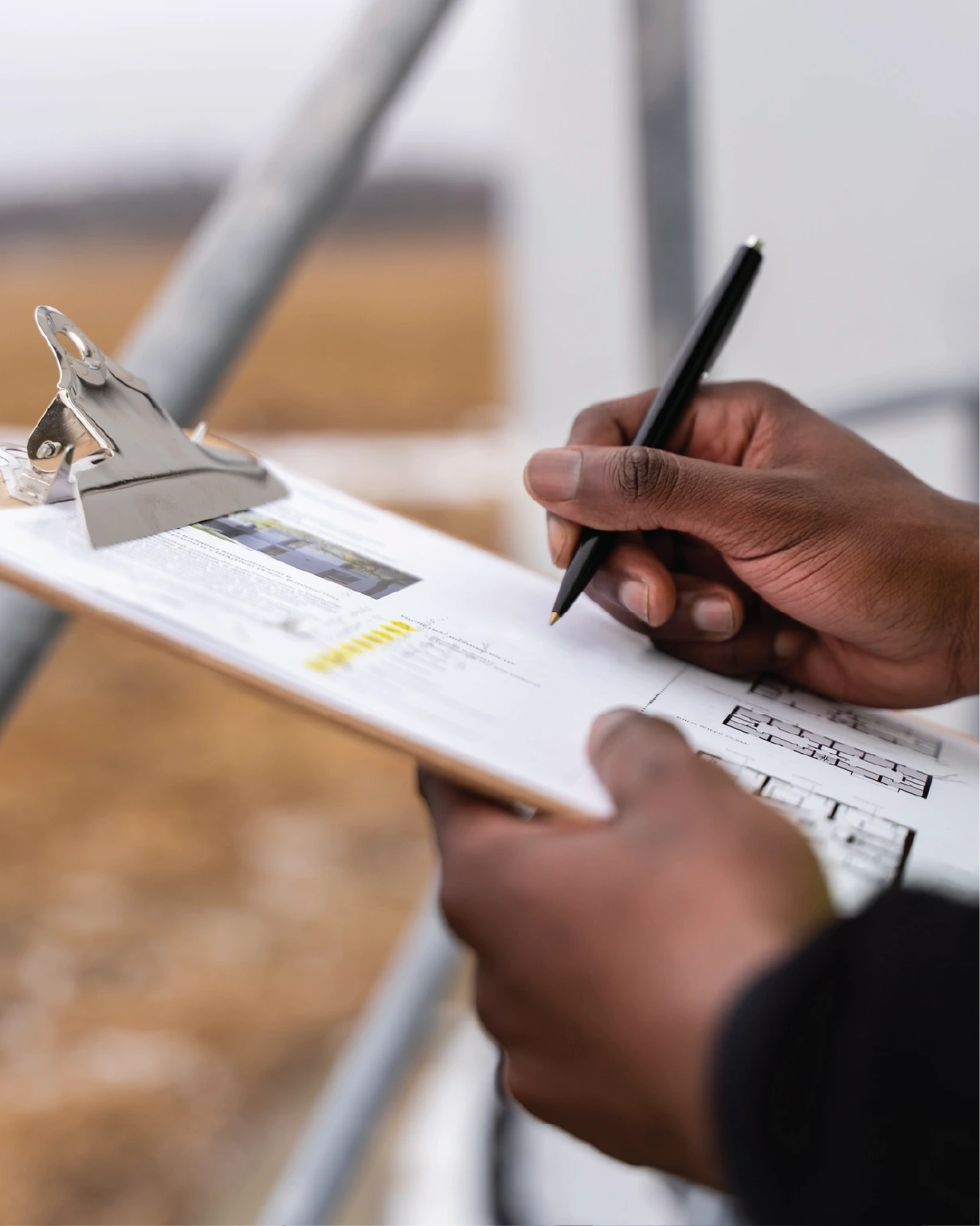
An agreement for sale is a binding commitment. The verification that matters most happens before signature, not after.
Before any money changes hands, confirm that the person or entity offering to sell the property is the one actually registered as its owner. A search against the title reveals the registered proprietor and any registered interests, charges or restrictions affecting it.
A title search should also reveal whether the property is subject to a charge, caveat, caution or other registered restriction. Any of these can affect whether a sale can proceed, and on what terms.
Discrepancies between what a buyer is shown on the ground and what is described in the title documents are a common source of dispute after completion. Confirming the boundaries and extent before signing avoids this.
The agreement for sale should set out clearly how and when the purchase price is to be paid, what happens to any deposit, and what recourse either party has if a payment obligation is not met.
Buyers should understand what steps follow signature: the documentation required for completion, and the process for registering the transfer once payment has been made.
This article is provided for general informational purposes and does not constitute legal advice. It does not describe the position under any specific piece of legislation or the outcome of any particular case. Readers with a specific matter should seek advice on their own circumstances.